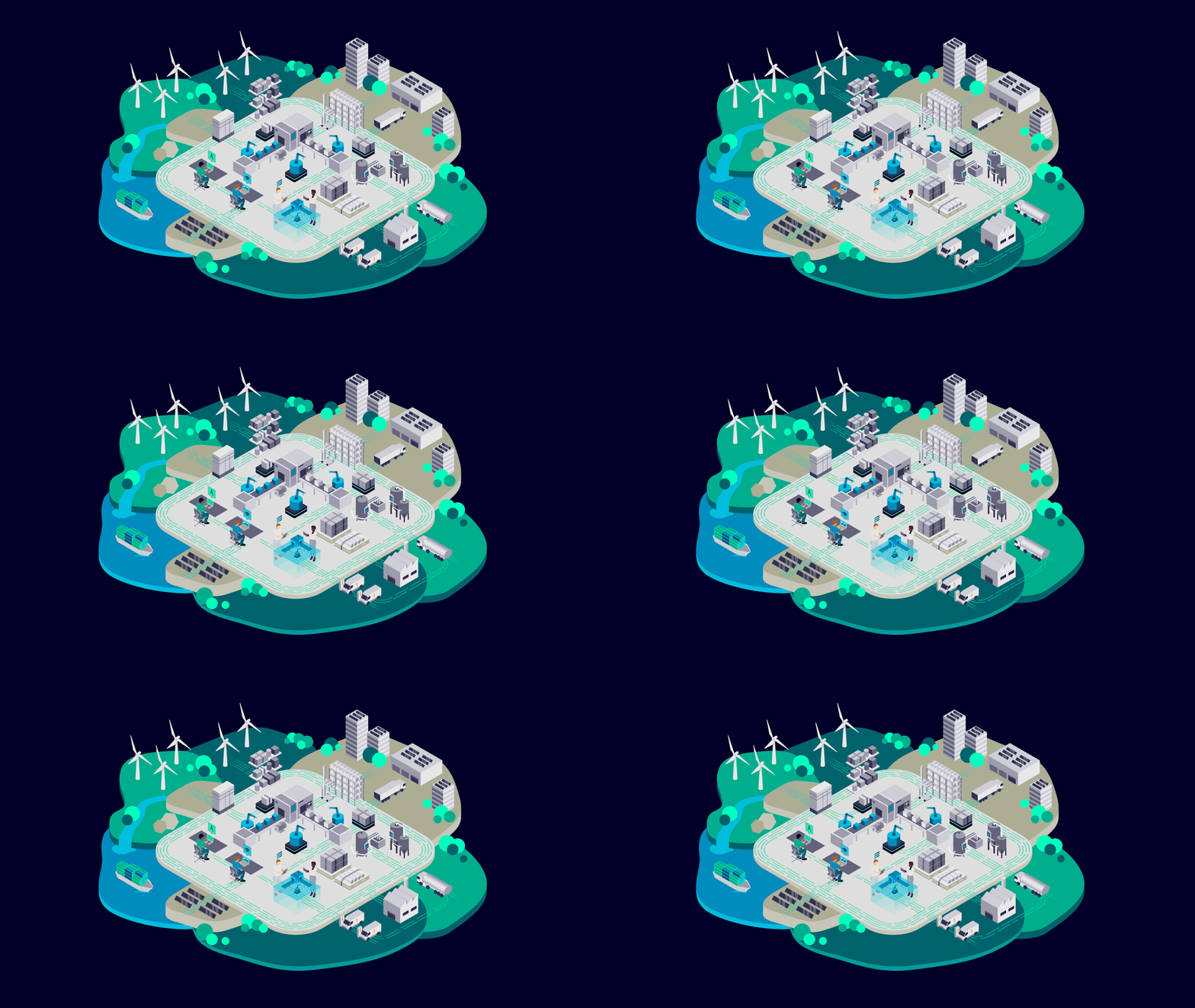
The next phase for integrating sustainability is in the design of lines, processes, and plants. By building a detailed model for production in the digital world first, businesses can simulate different scenarios to optimize performance across the factory environment.
When designing in the digital world, businesses can implement greater automation and streamline production to avoid lapses in efficiency. An idling machine for example, has an opportunity cost of not running, but there is an operational expense from the energy being drawn, which in turn has a carbon footprint impact based on the source of that energy, simultaneously reducing the investment costs of physical materials.
Running a motor longer than needed or transporting material further than necessary may not have a major impact on a per product basis, but these inefficiencies add up quickly. Sustainable solutions for these common problems aren’t limited to greenfield environments either. The design process applies to brownfield facilities as well. While this may seem like a monumental undertaking, it’s achieved by reorganizing manufacturing lines to fit more production capacity into the same floor space, updating processes and machinery to keep pace with market growth or, updating hardware systems to reduce energy consumption, and installing infrastructure such as solar arrays or battery storage to better capitalize on renewable energy sources.
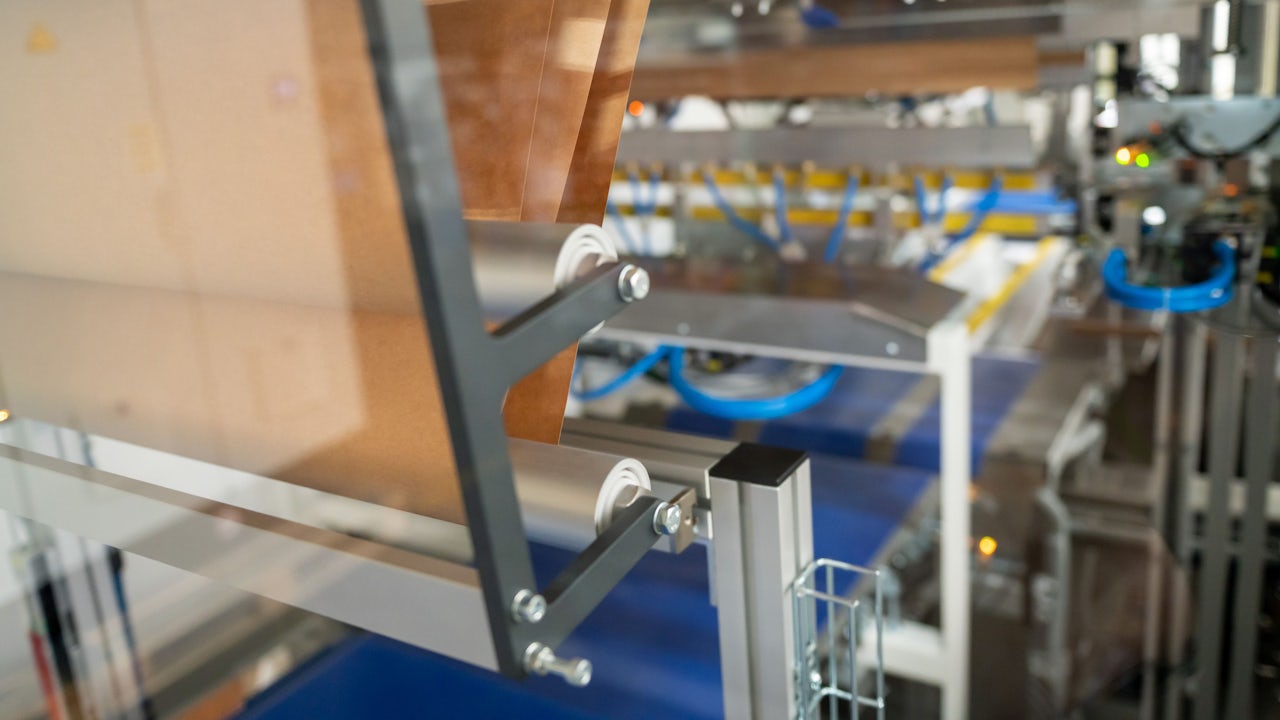
For example, Swabian machine builder, Hugo Beck has managed to transform the packaging industry and their business with the Digital Twin. Empowered by Siemens technology, engineers used the Digital Twin to design a machine that adapts packaging to product dimensions, optimizing performance through digital simulations. Because of their innovation and commitment to finding solutions that tackle both environmental and business goals, Hugo Beck has cut energy use by 20 percent, commissioning time by 50 percent, packaging material by 30 percent, and packaging volume by 10 percent.
Overall, the Digital Twin helps businesses outline their needs earlier and evaluate many different possibilities to find sustainable processes. Poor maintenance strategies can reduce a factory’s overall performance by 5 to 20%. In other words, excess maintenance equals excess spending, making the Digital Twin a vital component for efficient factory operations.